Loose tiles are one of those household annoyances that can turn into a bigger problem if left alone. The Fix-A-Floor PRO Pack aims to address this with a syringe-based injection system rather than requiring you to remove and re-lay the tile. This review is based on using the product on a ceramic tile floor in a kitchen, where a few tiles near the dishwasher had developed a hollow sound and slight movement over time.
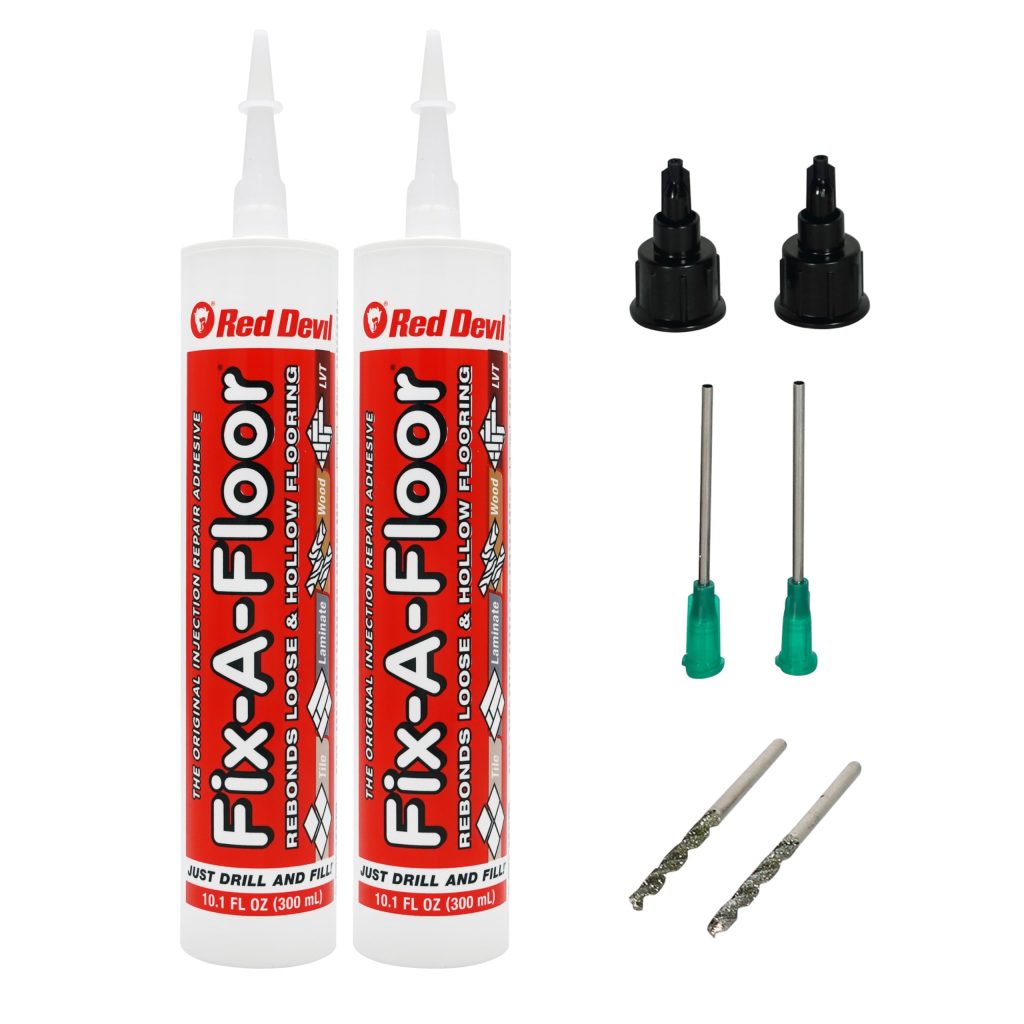
The core of this system is a two-part epoxy that comes in a dual-syringe injector. You mix the epoxy as you push the plunger, and the liquid is thin enough to flow through the small needle-like tip. The PRO Pack includes two such syringes, plus two drill bits (one standard and one for harder surfaces like porcelain or stone). The idea is to drill a small hole in the grout line near the loose tile, inject the adhesive underneath, and then let it cure. The micro syringe injector is the standout feature here—it gives you precise control over where the adhesive goes, which is crucial for avoiding mess and ensuring the glue reaches the void under the tile.
In practice, the process is straightforward but requires patience. You need to drill a 1/8-inch hole through the grout (not the tile itself) into the hollow space. The drill bits are adequate for this, though they are small and can be easy to misplace. Once the hole is drilled, you attach the syringe tip, inject the epoxy until you see it start to seep out, then wipe away the excess and let it cure for about 12 to 24 hours. The epoxy itself cures to a firm, slightly flexible state that bonds well to concrete, plywood, and tile backings. I found it worked best on tiles that were slightly loose but still intact—if the tile is completely detached or the substrate is crumbling, this method won’t hold.
A key limitation is that the epoxy is not a structural repair for badly damaged subfloors. If your loose tile is caused by water damage, rot, or a broken underlayment, this is a temporary fix at best. The adhesive also has a strong chemical odor during application, so ventilation is necessary. Additionally, the syringe system, while precise, can be tricky to use if you have larger gaps or multiple tiles in a row—you may need multiple holes and multiple syringes for a single tile if the void is large.
Compared to alternatives like traditional thin-set mortar or construction adhesive in a caulk tube, this product is much less messy and more targeted. Thin-set requires removing the tile, cleaning the old adhesive, and re-setting it—a much bigger job. A caulk tube adhesive is cheaper but harder to control and often too thick to flow into small gaps. The Fix-A-Floor system sits between these two: it’s more convenient than a full re-lay but more expensive than a tube of glue. For a single loose tile or two, the cost is reasonable; for a whole floor, you’d be better off with a different approach.
This product is suitable for homeowners who have some DIY experience and need to fix a few isolated loose tiles in areas like kitchens, bathrooms, or hallways. It works on ceramic, porcelain, marble, stone, and even wood tiles if the subfloor is solid. However, it is not suitable for large areas of loose tiles, tiles with cracked substrates, or situations where the tile itself is broken. It also won’t work on vinyl or linoleum floors, as those materials don’t bond well with epoxy. If you’re dealing with a single hollow-sounding tile in a dry area, this is a practical fix that can extend the life of your floor without major renovation. Just be aware that the repair is only as good as the underlying structure—if the problem runs deeper, you’ll need a more invasive solution.
Overall, the Fix-A-Floor PRO Pack delivers on its promise for small-scale repairs. The syringe injector is a well-designed tool that makes the job cleaner than most alternatives. The included drill bits are a nice touch, though they are basic and may wear out on very hard tiles. For the price, it’s a targeted solution that works best when used on the right problem—an occasional loose tile with a solid base underneath.