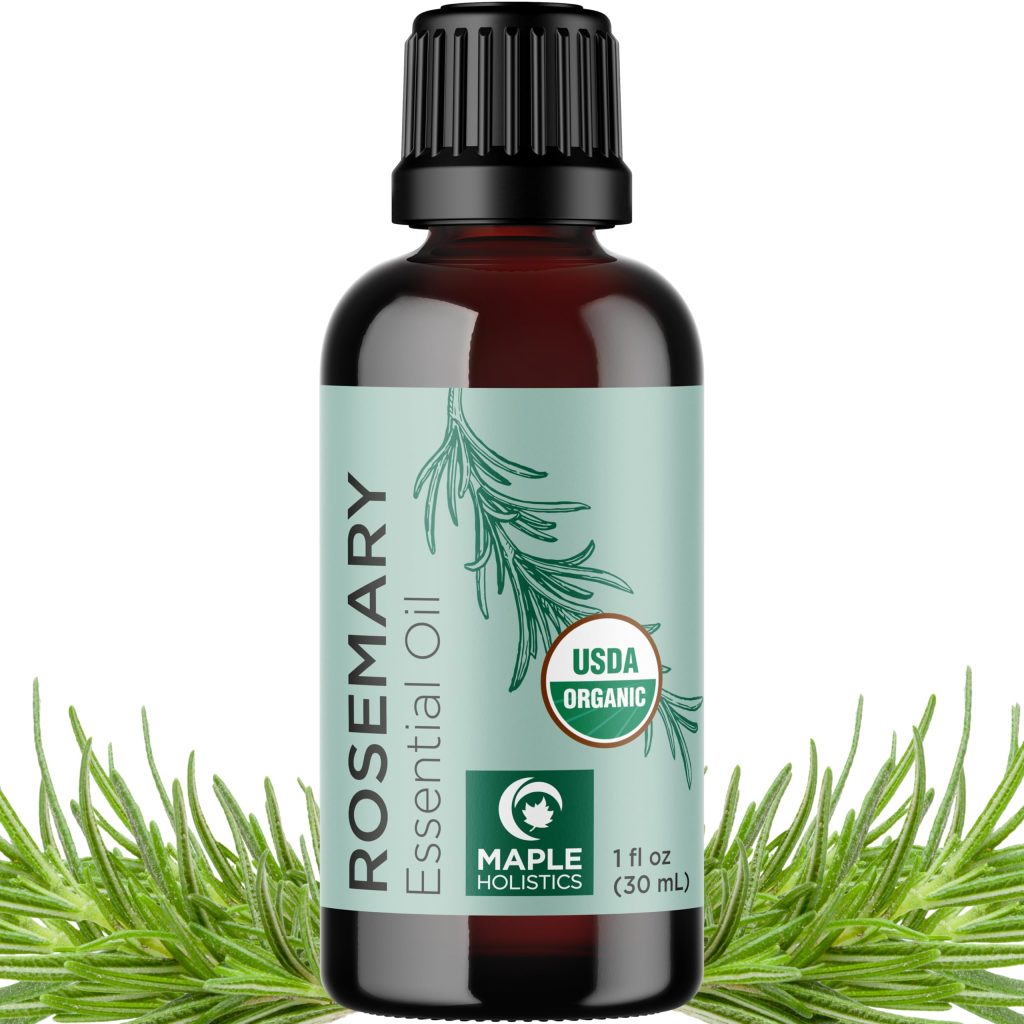
If you’ve been browsing natural hair care options, you’ve likely come across rosemary oil as a popular choice for scalp health and hair growth. This particular product—Certified Organic Rosemary Oil for Hair—markets itself as a pure, USDA organic essential oil intended for hair, skin, nails, and aromatherapy. After testing it over a few weeks, here’s a balanced look at how it performs in real-world use.
Real-world usage context: Most people use this oil as a scalp treatment, either by mixing a few drops with a carrier oil (like jojoba or coconut) or adding it directly to their shampoo. The instructions recommend diluting it, which is standard for essential oils to avoid irritation. In practice, it blends easily and has a strong, herbaceous rosemary scent that lingers—pleasant if you like herbal aromas, but it can be overpowering if you’re sensitive to strong smells. For hair volume and shine, users typically massage the diluted oil into the scalp before washing, leaving it on for 15–30 minutes. Some also use it as a nightly aromatherapy drop on a pillow or diffuser, though the scent is quite potent for that purpose.
Key functional features: The oil is certified USDA organic, which means it’s free from synthetic pesticides and additives—a plus for those avoiding chemicals. It’s also undiluted, so you get a concentrated product that can be used in multiple ways: as a scalp treatment, skin moisturizer (again, diluted), or nail strengthener. The packaging is a standard amber glass bottle with a dropper, which helps control the amount dispensed. The oil itself is thin and absorbs relatively quickly when mixed with a carrier, though it can feel slightly greasy if used alone on hair.
Limitations and trade-offs: One notable limitation is the strong, persistent scent. While rosemary is generally well-tolerated, the intensity here might not suit everyone, especially those with scent sensitivities or who prefer lighter fragrances. Additionally, because it’s a pure essential oil, it requires dilution for safe topical use—this adds an extra step and requires a separate carrier oil, which might not be convenient for everyone. Another trade-off: the oil’s effectiveness for hair growth or volume is subtle and varies by individual. Some users report noticeable improvement after weeks of consistent use, but others see minimal change. It’s not a miracle product, and results depend on factors like hair type, scalp condition, and frequency of use.
Comparison to alternatives: Compared to generic rosemary oils or non-organic essential oils, this one stands out for its USDA organic certification, which ensures purity and lack of synthetic residues. However, it’s similar in function to other pure rosemary oils from brands like Plant Therapy or NOW Foods, which also offer organic options at comparable prices. The main difference here is the specific marketing toward hair and scalp use, but functionally, any high-quality rosemary essential oil can serve the same purpose. If you’re on a budget, a non-organic rosemary oil might work just as well for scalp treatments, though you’d lose the organic assurance.
Who it is and is not suitable for: This oil works well for people already familiar with essential oils and willing to dilute them. It’s a good fit if you prefer organic products, want a multipurpose oil for hair, skin, and aromatherapy, or are looking for a natural scalp treatment without synthetic additives. It’s less suitable for those with sensitive skin or noses, as the strong scent and potential for irritation (if not diluted) can be drawbacks. It’s also not ideal for people seeking a ready-to-use hair product—since it requires mixing, it’s more of a DIY ingredient than a standalone solution. If you want a no-fuss option, a pre-mixed rosemary hair oil or shampoo might be more practical.
Overall, this certified organic rosemary oil delivers on its promise of purity and versatility, but it’s not without its quirks. The scent strength and need for dilution are real considerations, and the hair benefits are modest rather than dramatic. It’s a solid choice for those who value organic certification and are comfortable with essential oil basics, but for casual users, a simpler product might be a better fit.