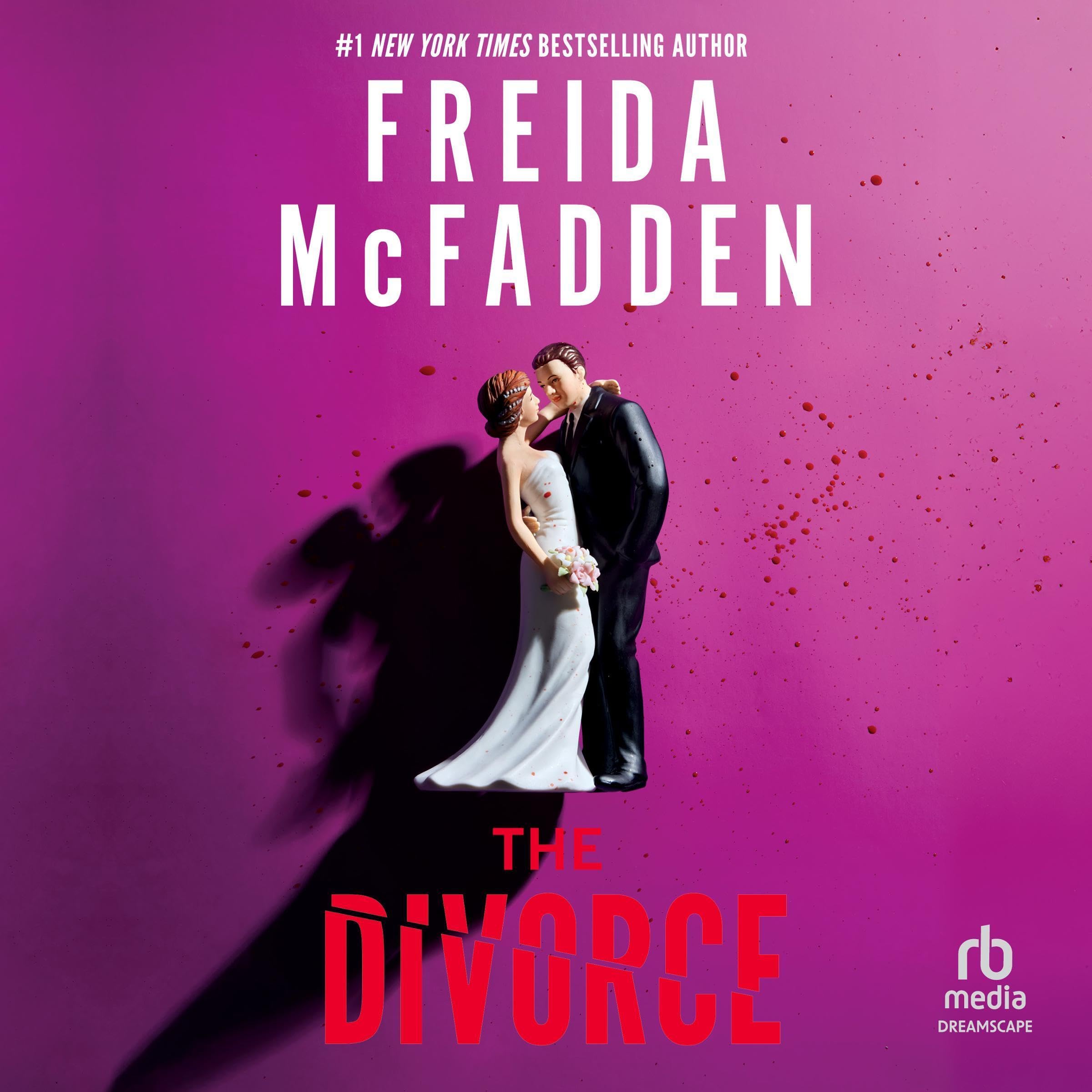
The Divorce is a guided journal designed for people navigating the emotional and logistical upheaval of a separation or divorce. It’s not a self-help book full of advice, nor is it a legal workbook. Instead, it’s a structured space to write, reflect, and track your thoughts during a messy transition. The journal uses prompts to help you name what you’re feeling, document what’s happening, and eventually start imagining a life after the marriage ends.
In real-world use, this journal works best when you’re willing to sit with discomfort. The prompts ask direct questions about grief, anger, regret, and even practical matters like co-parenting plans or financial changes. Some days, writing in it feels cathartic; other days, it can feel like poking a bruise. That’s not a flaw—it’s the nature of the process. The journal doesn’t promise to make divorce easy, but it does offer a consistent, private place to process without judgment.
Key features include a mix of open-ended prompts, check-in pages for tracking mood over time, and sections for documenting important dates or decisions. The layout is minimal—mostly lined pages with a question at the top. There’s no glossy motivational quotes or colorful illustrations, which some may find refreshingly honest, while others might wish for a bit more warmth. The binding is sturdy enough to survive being stuffed in a bag or read in bed, and the paper takes pen well without bleeding through.
- Strengths: The prompts are specific without being prescriptive. They help you notice patterns in your emotions or identify unresolved issues you might otherwise avoid. The mood tracker, while simple, can reveal how your feelings shift week to week—useful for therapy sessions or just your own awareness.
- Weaknesses: The journal assumes a certain level of literacy and comfort with introspection. If you’re someone who processes better through talking, art, or physical activity, this format may feel limiting. Also, the prompts are fairly linear—they start with the separation itself and move toward rebuilding—which doesn’t always match the chaotic, non-linear reality of divorce.
Compared to a general wellness journal or a gratitude diary, The Divorce is far more focused and intense. A generic journal might ask “What are you grateful for today?” while this one asks “What part of this separation feels unfair, and who do you blame?” That specificity is valuable for those who want to dig deep, but it can be overwhelming for someone still in shock or denial. For a lighter alternative, a blank notebook or a simple five-minute journal might feel more manageable if you’re not ready to confront the hardest parts head-on.
Who is this for? People who are already in the thick of divorce—whether it’s amicable or contentious—and who find writing to be a helpful outlet. It’s particularly useful for those who want to track their emotional progress over months, especially if they’re in therapy and want to bring concrete reflections to sessions. It’s also good for anyone who feels stuck in circular thoughts and needs a structured way to move forward.
Who is it not for? If you’re still in the early, raw stages where even looking at the word “divorce” makes your stomach drop, this journal might feel like too much too soon. It also won’t suit people who prefer to process privately without prompts, or those who want a more solution-focused, practical guide (like a checklist for dividing assets or a timeline for legal steps). For that, a binder with tabs or a legal planning workbook would be more appropriate.
One limitation worth noting: the journal doesn’t include any guidance on when to stop using it. After several months, some users might feel pressure to “complete” it, even if they’re not ready to move on. Others might abandon it halfway if the prompts no longer resonate. It would benefit from a brief note at the end suggesting that it’s okay to set the journal aside and come back later, or to skip sections entirely.
Overall, The Divorce is a thoughtful, no-frills tool for a specific, difficult life event. It doesn’t try to fix you or rush you through grief. It simply provides a container for your experience. If that sounds useful, it’s likely worth the purchase. If you’re hoping for something that will distract you or cheer you up, look elsewhere.